


Introduction
Modern construction and earthmoving projects demand speed, precision, and efficiency. One of the most impactful technologies enabling these improvements is GNSS-based machine control systems. How machine control gnss Increases Productivity on Large Projects is becoming a key focus for contractors aiming to reduce delays, lower costs, and improve accuracy across job sites.
In this article, we explore how this technology transforms large-scale operations and why it has become essential in modern construction workflows.
Understanding Machine Control GNSS Technology
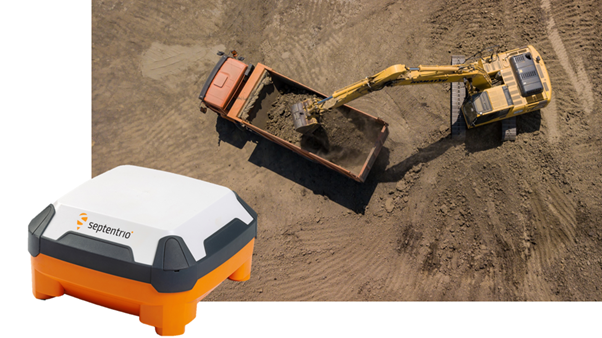
Machine Control GNSS (Global Navigation Satellite System) uses satellite positioning combined with onboard machine sensors to guide heavy equipment such as excavators, graders, and bulldozers in real time.
Instead of relying heavily on manual surveying and staking, operators receive continuous guidance directly in the machine cabin. This ensures that every cut, fill, and grading task follows exact design specifications.
This foundational capability is central to How Machine Control GNSS Increases Productivity on Large Projects, especially where accuracy and speed are critical.
Faster Project Execution with Reduced Downtime
One of the biggest advantages of GNSS machine control is the dramatic reduction in downtime.
Traditional construction methods require frequent surveying checks, manual measurements, and rework due to human error. GNSS eliminates many of these interruptions by providing real-time positioning data.
As a result, How Machine Control GNSS Increases Productivity on Large Projects becomes clear through faster cycle times, fewer interruptions, and more continuous machine operation.
Improved Accuracy and Reduced Rework
Rework is one of the most costly factors in large construction projects. Even small errors in grading or excavation can lead to significant delays.
Machine control GNSS systems ensure centimeter-level accuracy, helping operators achieve the correct grade the first time. This reduces material waste and eliminates unnecessary corrections.
This precision is a core reason How Machine Control GNSS Increases Productivity on Large Projects is widely recognized in the construction industry.
Enhanced Operator Efficiency and Skill Utilization
With GNSS machine control systems, less experienced operators can achieve results similar to highly skilled professionals. The system provides visual guidance and automated blade or bucket control, reducing the learning curve.
Experienced operators also benefit by completing tasks faster and with less fatigue.
This shift in efficiency demonstrates How Machine Control GNSS Increases Productivity on Large Projects by optimizing both human and machine performance.
Better Coordination Across Large Job Sites
Large-scale projects often involve multiple machines working simultaneously. Without proper coordination, inefficiencies and overlaps can occur.
GNSS-based systems integrate with project design data, ensuring that all machines follow the same plan. This improves coordination between teams and reduces conflicts on-site.
This improved workflow further highlights How Machine Control GNSS Increases Productivity on Large Projects in complex, multi-machine environments.
Cost Savings Through Efficiency Gains
In addition to productivity improvements, GNSS machine control significantly reduces operational costs. Lower fuel consumption, reduced material waste, and fewer labor hours all contribute to savings.
While the initial investment may be high, the long-term return is substantial due to increased efficiency and reduced errors.
This financial advantage reinforces How Machine Control GNSS Increases Productivity on Large Projects from both operational and economic perspectives.
Conclusion
Machine Control GNSS has revolutionized modern construction by improving accuracy, efficiency, and coordination across job sites. From reducing rework to optimizing machine performance, its impact is undeniable.
Ultimately, How Machine Control GNSS Increases Productivity on Large Projects is not just a theoretical concept—it is a proven reality driving the future of large-scale construction operations.
