

The rise of online gaming has introduced many captivating games, but few have captured attention like Plinko. This simple yet engaging game has become a favorite for many, but what makes it so addictive? Understanding the psychology behind the addictive plinko online game reveals fascinating insights into human behavior and the elements that keep players coming back for more.
What is Plinko?
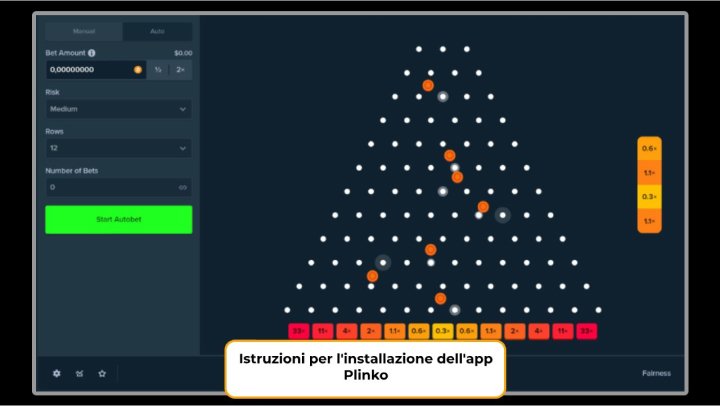
Plinko is a game of chance where a ball drops through a pegged board, bouncing unpredictably until it lands in a slot at the bottom. Online versions mimic this setup digitally, offering instant results and potential rewards. Despite its simplicity, the game’s unpredictability and visual appeal make it incredibly compelling.
The Role of Uncertainty and Reward
At the core of the psychology behind the addictive Plinko online game is the principle of uncertainty combined with reward. Humans are naturally drawn to uncertain outcomes that promise a payoff. Plinko’s random ball drops mimic a lottery-like chance, triggering dopamine release—the brain’s “feel-good” chemical—when players anticipate a win.
The Thrill of Intermittent Reinforcement
Plinko employs what psychologists call intermittent reinforcement. Unlike predictable rewards, intermittent reinforcement provides unpredictable wins. This variability keeps the brain engaged and motivated, making players more likely to continue playing in hopes of hitting a big win. This is a key factor in the psychology behind the addictive Plinko online game.
Visual and Sensory Engagement
The visual aspect of the ball bouncing through pegs adds to the game’s hypnotic effect. Bright colors, sound effects, and smooth animations stimulate the senses, enhancing emotional excitement. This multisensory engagement strengthens the player’s connection to the game, making it hard to put down.
Social and Competitive Elements
Many online Plinko games incorporate leaderboards and multiplayer modes, tapping into social psychology. Competition and social comparison encourage players to improve their scores and return frequently. This social engagement intensifies the addictive appeal by creating community and personal challenge.
Conclusion
The addictive nature of Plinko isn’t just luck—it’s a finely tuned combination of psychological triggers. From the thrill of uncertainty and intermittent rewards to sensory stimulation and social interaction, these elements work together to explain the psychology behind the addictive Plinko online game. Understanding these factors helps players become more mindful of their gaming habits and enjoy the experience responsibly.
